Insulated Siding and Energy Savings Explained
Insulated siding can help with comfort and energy use, but the savings are usually **modest**, not dramatic. It can be a smart upgrade in some homes, especially when paired with good installation and moisture control.
Why homeowners ask about insulated siding
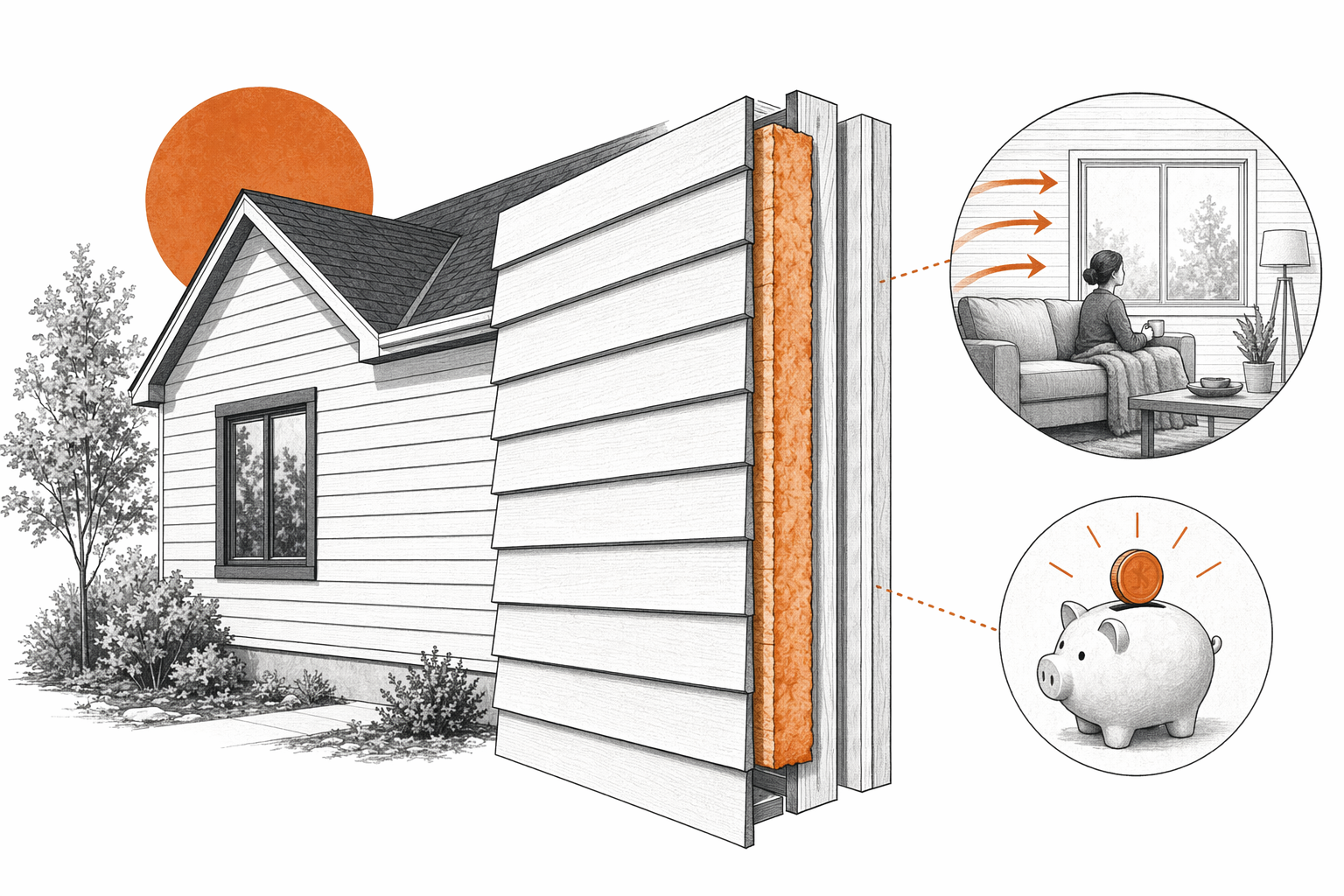
If your house feels drafty, hot in summer, or cold in winter, insulated siding may sound like a simple fix. The idea is easy to understand: siding with built-in foam backing may add a little thermal resistance and may help reduce small air leaks when installed well.
But siding is only one part of the outside wall. Windows, doors, attic insulation, wall insulation, and air sealing often affect energy bills too. If you are comparing options, it helps to review typical siding costs and ask contractors how insulated products may perform on your home.
The short answer
Yes, insulated siding may help improve comfort and may lower energy loss somewhat, but it usually does not create huge utility bill savings by itself. Real results depend on your climate, the condition of your current siding and wall system, how much air leakage your home has, and the quality of the installation. For many homeowners, the main benefits are a slightly more even indoor temperature, a more solid wall feel, and better appearance along with some energy improvement.
How insulated siding can help
Insulated siding usually means siding panels with rigid foam attached to the back. This added layer may help in a few ways:
- It can add some insulating value to the wall.
- It may reduce small gaps and loose areas that let outside air move behind the siding.
- It can help the siding sit flatter and look more uniform.
- In some homes, it may reduce wall vibration or outside noise a bit.
The biggest benefit is often comfort, not a dramatic drop in bills. Rooms near exterior walls may feel less chilly in winter or less hot in summer. Homes in very cold or very hot climates may notice more benefit than homes in mild areas.
If you want to understand the full wall system, ask whether the project includes house wrap, flashing, and moisture management details. Those items matter just as much as the insulated panel itself.
What insulated siding does not do
Insulated siding is not a cure-all. It does not replace proper wall insulation, attic insulation, weatherstripping, or good window and door sealing. If your home has major drafts, water intrusion, rot, or missing insulation inside the walls, insulated siding alone may not solve those problems.
It is also important to remember that higher material cost does not always mean better value for every house. The typical price depends on material, home size and height, removal of old siding, site conditions, and your area. Before you decide, compare the numbers with this guide to how much siding costs.
Ask each contractor to explain the expected benefit in plain language. If someone promises very large energy savings without seeing the full home condition, be careful.
Installation quality matters as much as the product
Even good siding can underperform if it is installed poorly. Water management, trim details, fastening, and wall prep all affect long-term results. That is why it is best to hire licensed, insured, and bonded siding contractors and verify the license, insurance, and bond yourself.
Before any deposit:
- Get the price, materials, and scope in writing.
- Ask if old siding will be removed or covered.
- Ask what moisture barrier and flashing details are included.
- Confirm who handles permit requirements and local code steps.
- Watch for storm-chasers who push you to sign the same day.
You can use this guide to vet a siding contractor before you choose.
What to do next
Start by deciding your main goal: lower maintenance, better appearance, more comfort, or lower energy use. Then get a few written estimates and ask each contractor whether insulated siding makes sense for your climate and wall type.
If you want help finding local pros, you can use free contractor matching. SidingLedger is a free matching service for homeowners. We do not install siding or give construction advice, but we can help you connect with local licensed, insured, and bonded siding contractors so you can compare options carefully.
Insulated siding may help your home feel more comfortable and may reduce some energy loss, but it usually does not create huge savings by itself. Ask licensed, insured, and bonded contractors to explain the full wall system, the written scope, and whether this upgrade fits your home.