Painting and Maintaining Fiber Cement Siding
Fiber cement siding is known for being durable and lower-maintenance than many wood products, but it still needs care over time. If you are wondering when to paint it, how to clean it, and what kind of upkeep matters most, this guide gives a simple overview for homeowners planning a siding project.
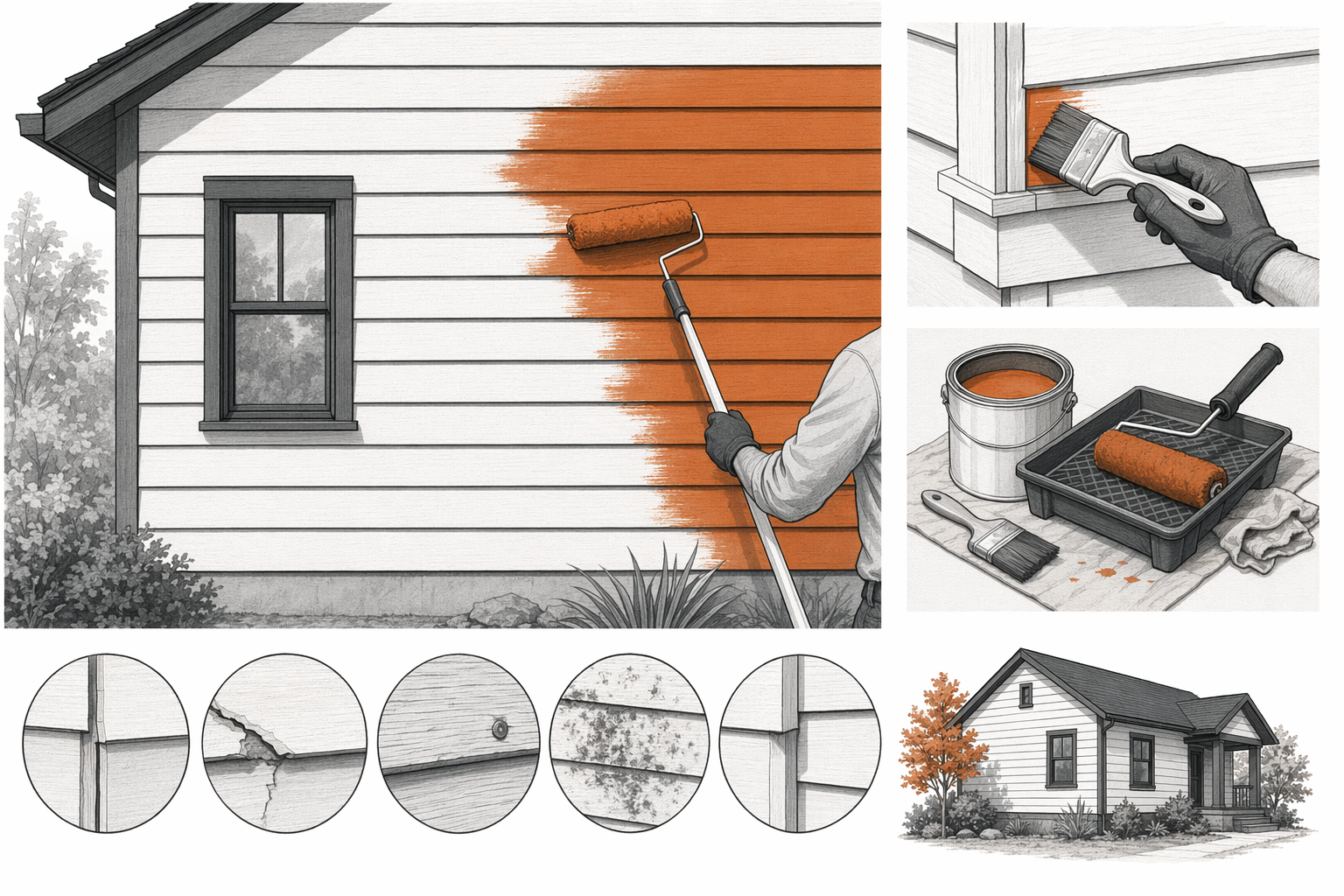
Why homeowners ask about painting fiber cement siding
Fiber cement siding can last a long time, but paint and caulk do not last forever. Sun, rain, snow, moisture, and temperature changes can slowly wear the finish down.
That does not mean there is a problem right away. It usually means you should watch for fading, peeling, cracked caulk, or spots where water may get in. If you are budgeting for future work, it helps to review typical siding costs and learn what local contractors recommend for your climate.
The short answer
Yes, fiber cement siding can be painted and repainted, and it does need basic maintenance. Most homeowners mainly deal with cleaning, checking caulk and joints, and repainting when the finish starts to wear. The right timing depends on the age of the siding, the current condition, your local weather, and whether the siding was factory-finished or painted on site. If you are not sure whether your siding only needs paint or needs repair or replacement, get a written opinion from a licensed, insured, and bonded siding contractor and verify their license, insurance, and bond yourself.
What maintenance usually matters most
Fiber cement is often considered lower-maintenance, but not no-maintenance.
The most common items to watch are:
- Paint condition: fading, chalking, peeling, bubbling, or bare spots.
- Caulk condition: cracked, missing, or shrinking sealant around trim and joints.
- Moisture control: stains, soft areas nearby, or signs water may be getting behind the siding.
- General cleaning: dirt, mildew, and debris that sit on the surface too long.
A simple habit helps: walk around your home once or twice a year and look closely at the siding, trim, and areas around windows, doors, and roof lines. After strong storms, inspect again. If someone pressures you to sign a contract immediately after storm damage, be careful. Learn the warning signs of storm-chaser contractors to avoid.
When painting may make sense
Painting may be a reasonable option when the siding itself is still in generally good shape but the finish is worn.
You may want to ask a contractor about repainting if you see:
- widespread fading
- peeling or flaking paint
- older paint that no longer protects evenly
- color changes you want for appearance
Painting is not always the best answer if there is hidden moisture damage, failed flashing, installation problems, or broken boards. In those cases, repairs may be needed first. A contractor should explain what is cosmetic and what is functional in writing.
Prices for painting or siding work are not one-size-fits-all. Any number you see online is only a typical estimate, not a quote. Real pricing depends on home size and height, condition, prep work, repairs, access, removal needs, and your area.
How to clean and care for fiber cement siding
Gentle cleaning and routine checks usually go a long way.
- Remove dirt and debris from the surface.
- Watch for mildew or staining, especially on shaded sides of the house.
- Keep sprinklers from constantly spraying the siding.
- Trim plants and bushes so they do not trap moisture against the wall.
- Check that caulked areas and trim still look sealed.
Use care with any cleaning method. Too much pressure or the wrong approach can damage finishes or force water where it should not go. If you are hiring help, ask what cleaning and prep steps are included and how they protect the siding and surrounding areas.
Before you sign anything, compare the scope carefully and use a checklist to vet a siding contractor. Always hire a licensed, insured, and bonded contractor, verify those items yourself, and make sure price, prep, materials, cleanup, and warranty terms are in writing before any deposit.
What to do next
If your fiber cement siding looks faded or worn, start by making a simple list of what you see: peeling paint, cracked caulk, stains, or damaged boards. Take photos from each side of the home so it is easier to compare contractor recommendations.
Then speak with local licensed, insured, and bonded siding contractors. Ask whether your home is a candidate for repainting, spot repair, or larger replacement work, and ask them to explain why. Follow local permit and code rules, and verify license, insurance, and bond details yourself.
If you want help finding contractors near you, you can use free matching through SidingLedger. We are not a contractor. We help homeowners compare options so they can request written estimates and choose the right local pro.
Fiber cement siding can usually be repainted, but it still needs basic upkeep like cleaning and checking caulk. If you see peeling paint, moisture signs, or damaged boards, get written estimates from licensed, insured, and bonded siding contractors before you decide.