Best Siding for Hot and Humid Climates
Hot and humid weather is hard on siding. Heat, heavy rain, strong sun, and trapped moisture can all shorten the life of the wrong material. This guide explains which siding types usually perform best in hot, humid climates, what problems to watch for, and how to plan your next steps with confidence.
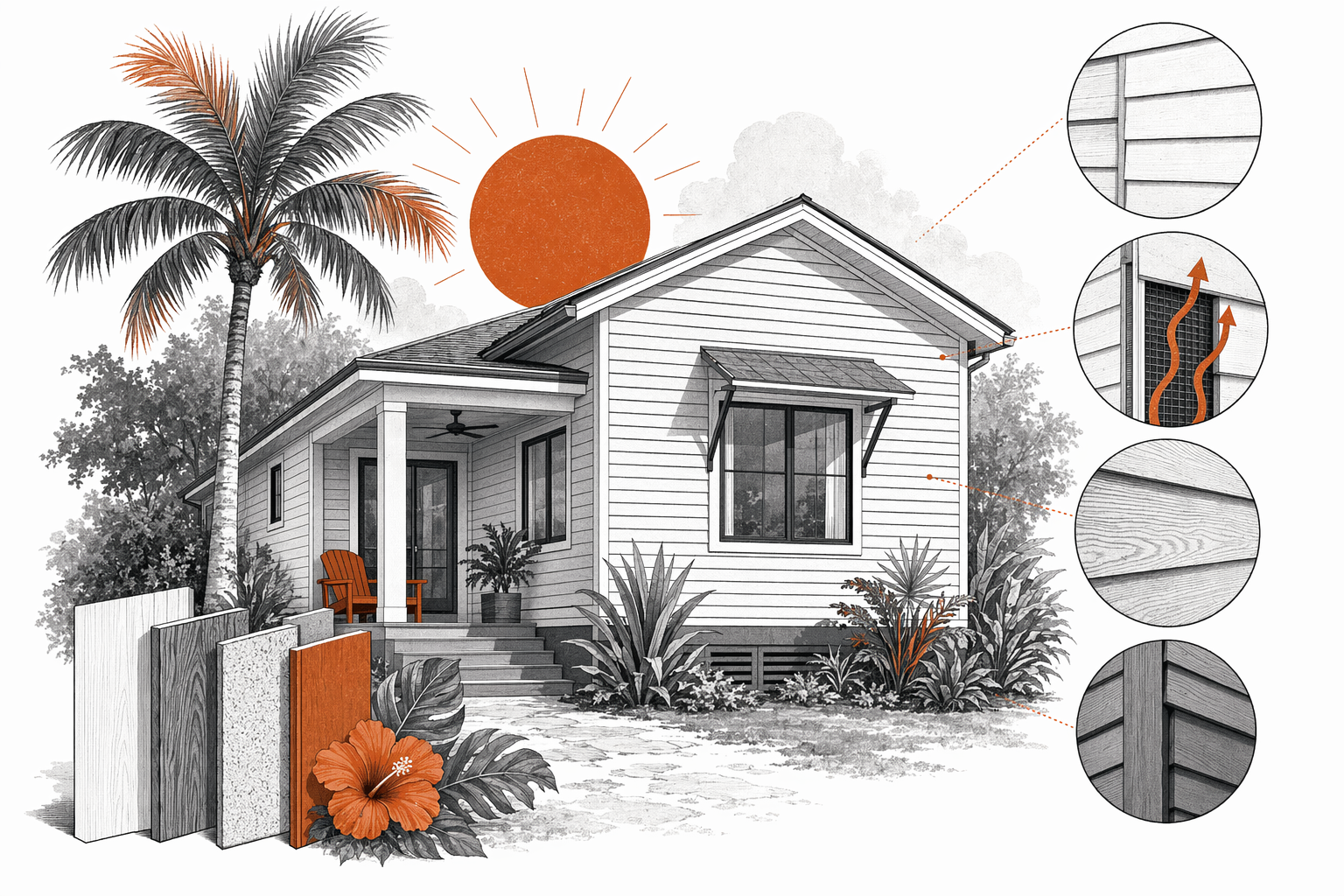
Why climate matters for siding
If you live in a hot and humid area, your siding needs to handle moisture, heat, sun exposure, and temperature swings. The best choice is not just about looks. It is about how well the material resists rot, swelling, warping, fading, and mold growth over time.
A siding product that works well in a dry climate may not do as well in a damp one. Good installation also matters. Even a strong material can have problems if water gets trapped behind it or if the wall assembly is not built for local weather conditions.
The short answer
In many hot and humid climates, vinyl siding, fiber cement board, and some metal siding systems are common choices because they can handle moisture better than traditional wood when properly installed. For many homeowners, the best option is a material with low moisture absorption, low maintenance needs, and good resistance to sun and heat. The real fit for your home depends on your budget, local weather, the style you want, and the quality of the installer. You can compare typical pricing at siding costs and explore free local options through contractor matching.
Best siding traits for hot and humid areas
When comparing siding, focus on performance traits first.
- Moisture resistance: Humid air, wind-driven rain, and condensation can all stress exterior walls.
- Warp resistance: High heat can affect some materials more than others.
- Mold and mildew resistance: Some siding types are easier to clean and less likely to hold moisture.
- Fade resistance: Strong sun can change color over time.
- Low maintenance: In sticky, rainy climates, easy upkeep can save time and money.
It is also smart to ask how the siding system handles house wrap, flashing, trim details, and ventilation. In humid climates, those details matter almost as much as the siding panel itself.
How common siding materials usually perform
Vinyl siding is often popular in hot and humid climates because it is usually affordable, does not absorb much water, and needs relatively low maintenance. But lower-quality products or poor installation can lead to warping, buckling, or fading in strong heat and sun.
Fiber cement board is often chosen for its durability and its ability to handle moisture and insects better than natural wood. It can be a strong option in humid areas, but it is heavier and installation quality is very important. It also usually costs more than vinyl.
Metal siding can perform well in humid climates when the product and finish are suited to the area. It is generally resistant to rot and insects, but homeowners should ask about coating quality, maintenance needs near salty air, and how dents or scratches are handled.
Wood siding can look beautiful, but in hot and humid climates it usually needs more upkeep. Moisture can increase the risk of rot, swelling, paint issues, and mold if maintenance falls behind.
If you want to compare materials more closely, start with a general siding material guide.
Installation matters as much as material
Even the best siding can fail early if it is installed poorly. In hot and humid climates, small water-management mistakes can turn into bigger problems.
Ask contractors about:
- Water-resistive barrier and flashing details around windows, doors, and roof lines.
- Expansion gaps and fastening methods for heat movement.
- Ventilation and moisture control behind the siding when needed.
- Manufacturer instructions and local code requirements.
Always hire licensed, insured, and bonded siding contractors, and verify the license, insurance, and bond yourself. Get the price, materials, scope of work, cleanup, warranty details, and payment schedule in writing before any deposit. Be careful with storm-chasers or anyone who pressures you to sign the same day. This contractor vetting guide can help you ask better questions.
What to do next
Start by thinking about your top priority: lowest upfront cost, lowest maintenance, longer life, or a certain look. Then get a few written estimates from licensed, insured, and bonded local siding contractors.
Remember: siding prices are typical per-square-foot estimates, not quotes or guarantees. Your real cost depends on home size and height, material choice, removal of old siding, site conditions, and your area.
A simple next step is to learn your options, compare expected costs, and get matched with local pros. SidingLedger is a free matching service that helps homeowners connect with siding contractors near them for their project planning.
Hot, wet weather can damage some siding faster than others. In many humid climates, homeowners often look at vinyl, fiber cement board, or metal because they usually handle moisture better than wood when installed the right way.