How siding gets installed
A siding job is more than just putting new panels on a wall. A typical project includes measuring, prep work, removing old siding if needed, checking the wall surface, adding moisture protection, installing trim and panels, and doing a final walk-through. If you know the usual steps, it is easier to compare bids, ask better questions, and spot red flags before you sign.
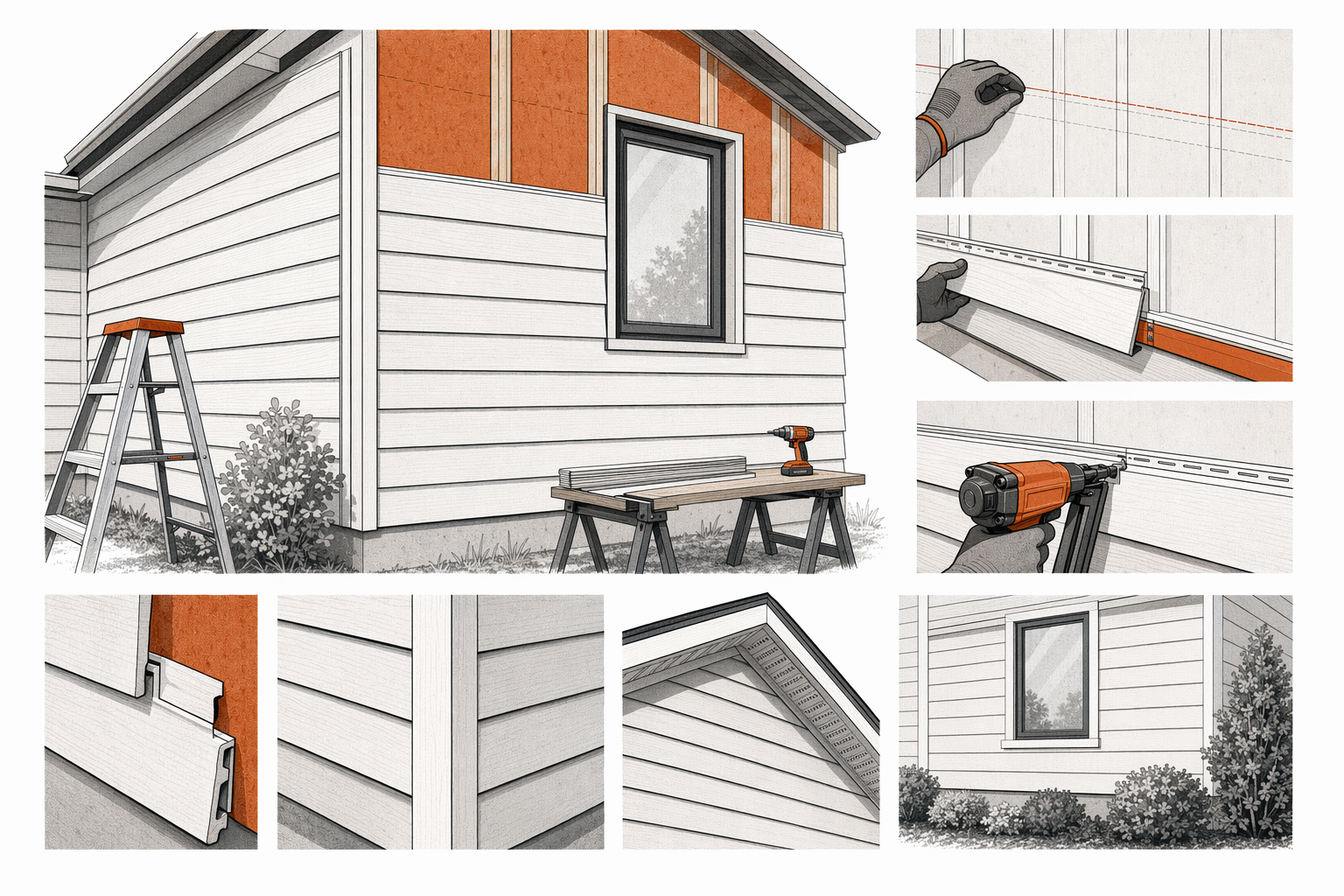
A realistic look at how siding gets installed
Most full siding replacement jobs follow the same basic order, even if the material changes. Vinyl, fiber cement board, engineered wood, metal, and other products each have their own install details, but the workflow is similar.
First, the contractor measures the home and plans material quantities. Then the crew protects the site, removes old siding if the job calls for tear-off, and inspects the wall underneath. After that, they install or repair the weather barrier, flashing, and trim details that help manage water. Last comes the new siding itself, caulking where appropriate, cleanup, and a final review.
That sequence matters. If moisture barrier or flashing work is skipped or rushed, even good-looking siding can have problems later. This is one reason it helps to hire licensed, insured, and bonded siding contractors and verify those credentials yourself before work starts.
If you are still budgeting, review costs first. Typical siding prices are usually discussed as per-square-foot ranges, not guaranteed quotes. Your real price depends on home size and height, material choice, tear-off needs, site conditions, and your area.
Key points to understand before the crew starts
A homeowner does not need to know every tool or fastener type. But it helps to understand what should happen, in what order, and what can change the schedule.
A normal project can move quickly once materials arrive, but weather, repair needs behind the old siding, and permit timing can slow things down. The oldest lesson in siding work is simple: what is behind the siding matters just as much as the siding you see.
You should also expect differences between materials. Some products need wider expansion gaps, some need more careful cutting and dust control, and some need special fastening patterns. That is why the written scope should name the material, trim details, moisture barrier work, and what happens if hidden damage is found.
What to do before and during the installation
Use this checklist to stay organized and reduce surprises.
1. Get the scope in writing. Ask for a clear written estimate that lists material type, tear-off or overlay, moisture barrier details, trim, cleanup, disposal, and who handles permits if required.
2. Verify the contractor. Hire licensed, insured, and bonded siding contractors, and verify the license, insurance, and bond yourself. Use a vetting checklist and compare more than one estimate. This guide on how to vet a siding contractor can help.
3. Ask about the full install sequence. A solid contractor should explain the order: measure, prep, removal if needed, wall inspection, weather barrier and flashing, trim, siding installation, cleanup, and final review.
4. Discuss hidden-damage procedures. Ask what happens if rot, water damage, or damaged sheathing is found behind the old siding. Make sure change-order pricing and approval steps are clear before the project starts.
5. Confirm the payment schedule. Get price and scope in writing before any deposit. Make sure the deposit amount, progress payments, and final payment terms are clearly stated.
6. Prepare your home. Move fragile wall items inside, clear the work area outside, trim back shrubs if needed, and ask where materials and dumpsters will go.
7. Plan for noise and access. Siding work can be loud. Ask what hours the crew will work, whether gates need to be unlocked, and how they will protect children, pets, and driveways.
8. Do the final walk-through carefully. Before final payment, review the completed areas, trim lines, caulking, cleanup, and any punch-list items. Ask for warranty documents and leftover matching pieces if available.
If you want help comparing local pros, get matched with siding contractors near you at no cost through SidingLedger. We are a free matching service, not a contractor.
Common mistakes homeowners should watch for
Your next step
The best next step is to treat siding as a system, not just a product. The visible panels matter, but the prep, flashing, trim, and water-management details matter just as much.
Start by learning the rough price range for your project, then compare written scopes from qualified local companies. If you are early in the process, check cost guides and build a shortlist of questions before you request estimates.
When you are ready, use SidingLedger to get matched with licensed, insured, and bonded siding contractors near you. Always verify credentials yourself, review the written scope carefully, and do not let anyone pressure you into signing the same day.
A siding job usually starts with measuring and prep, then old siding removal if needed, wall checks, moisture barrier work, trim, and new siding. Before you hire anyone, verify that the contractor is licensed, insured, and bonded, get the scope and price in writing, and be careful with storm-chasers who pressure you to sign fast.