What a siding contract should include
A siding contract is not just paperwork. It is the written record of **what the contractor will do, what materials will be used, what you will pay, and what happens if the job changes or goes wrong**. Before you pay a deposit, make sure the full scope, price, payment schedule, cleanup, warranty terms, and change-order process are clearly written down.
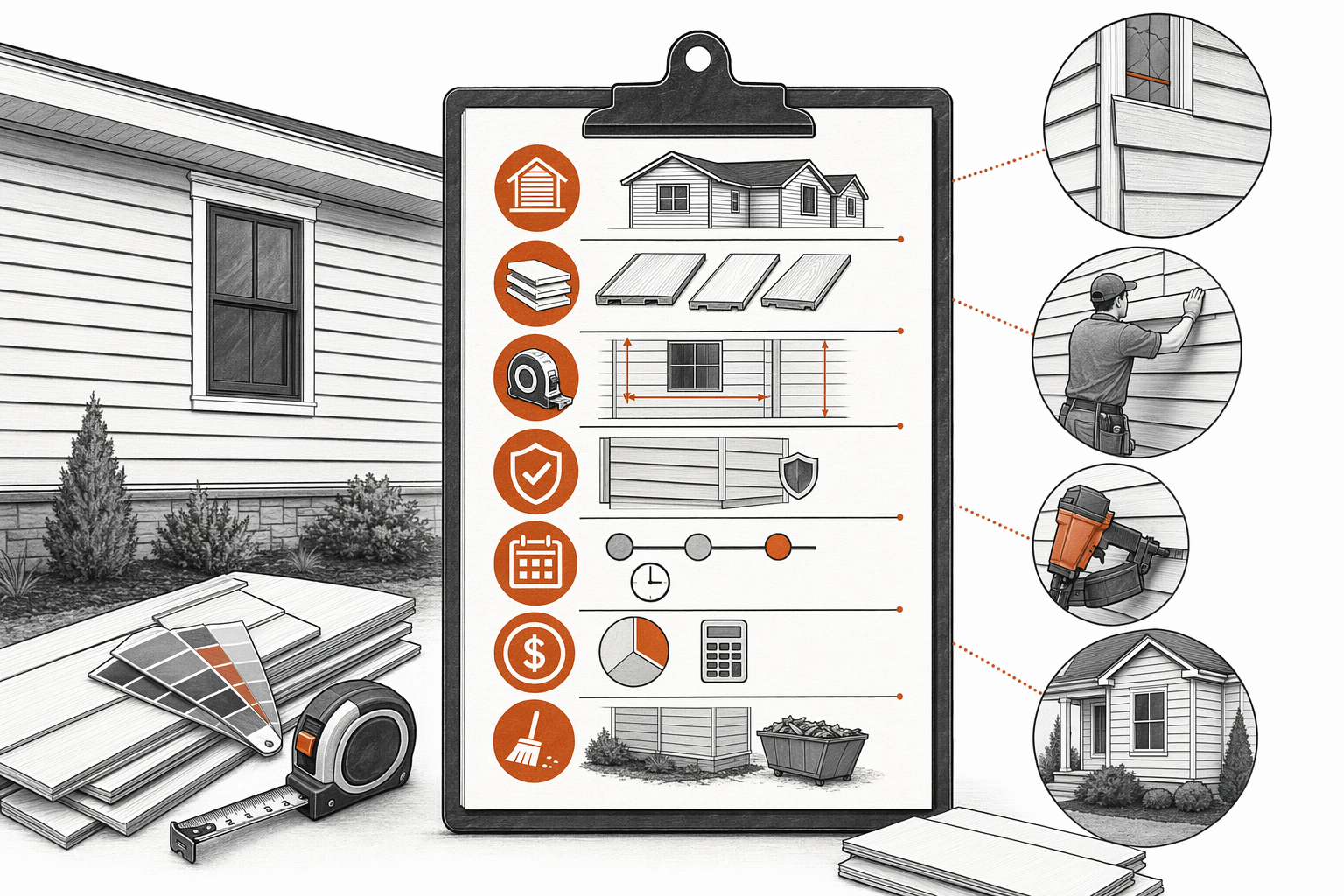
Why the siding contract matters
A clear siding contract helps protect both you and the contractor. It reduces confusion. It also gives you something to check if the work, timeline, or price changes later.
If you are comparing bids, the contract should match the estimate. If something is missing from the contract, ask for it in writing before you sign. You can also review typical price ranges on our costs page and use our guide to vet a siding contractor before moving forward.
SidingLedger is a free matching service. We do not install siding or review legal documents. For the work itself, hire a licensed, insured, and bonded siding contractor, verify that status yourself, and make sure local permit and code rules are followed.
Key points every siding contract should include
A strong contract should be easy to read and specific. Vague wording can create problems later. Look for these important parts:
What to do before you sign
1. Match the contract to the estimate. Check that the material, quantity, trim, tear-off, moisture barrier, labor, and cleanup all match what you were told.
2. Check the material details carefully. The contract should not just say 'new siding.' It should list the material category, style, exposure, color, and related parts. If you are not sure what a line means, ask for a plain-language explanation.
3. Read the payment schedule closely. A contract should explain the deposit, milestone payments, and final payment. Get every amount in writing before any deposit. Never rely on verbal promises.
4. Ask how hidden damage is handled. Old siding removal can reveal rot or water damage. The contract should explain that added repairs need your written approval before extra charges are added.
5. Confirm permits and code responsibility. Ask who will pull permits if needed and how inspections will be handled. Rules vary by area, so follow local permit and code requirements.
6. Review warranty language. Workmanship warranty terms should be clear. Material warranties may be separate. Ask what could void either warranty, such as pressure washing, improper painting, or unapproved repairs.
7. Do not sign under pressure. Be careful with storm-chasers or anyone who says the deal is 'today only' or wants a signature before you have time to read. A trustworthy contractor should give you time to review the contract.
8. Keep a full copy. Save the signed contract, estimate, change orders, warranty papers, permit records, and payment receipts in one folder.
If you want to compare local pros first, you can use free matching to connect with siding contractors near you. It can also help to review a contractor vetting guide before signing anything.
Common contract mistakes homeowners should avoid
Next step: compare carefully and get everything in writing
A good siding contract should leave fewer questions, not more. If something feels unclear, slow down and ask for a revised version. It is better to spend more time reviewing the contract now than arguing about scope or price later.
Remember that siding prices are usually discussed as typical per-square-foot ranges and estimates, not guaranteed quotes. Your real price depends on home size and height, material choice, removal of old siding, site conditions, and your area.
When you are ready, use SidingLedger's free matching service to compare licensed, insured, and bonded siding contractors near you. Verify those credentials yourself, get the full scope and price in writing before any deposit, and watch out for storm-chasers who push you to sign on the spot.
Your siding contract should clearly say what work will be done, what materials will be used, how much you will pay, and what happens if the job changes. Do not sign until the details are in writing, and always verify that the contractor is licensed, insured, and bonded.