How to Read and Compare Siding Estimates
A siding estimate can look confusing at first. The best one is not always the lowest price. A good estimate clearly shows **materials, labor, prep work, cleanup, and what is not included** so you can compare offers fairly and avoid surprises.
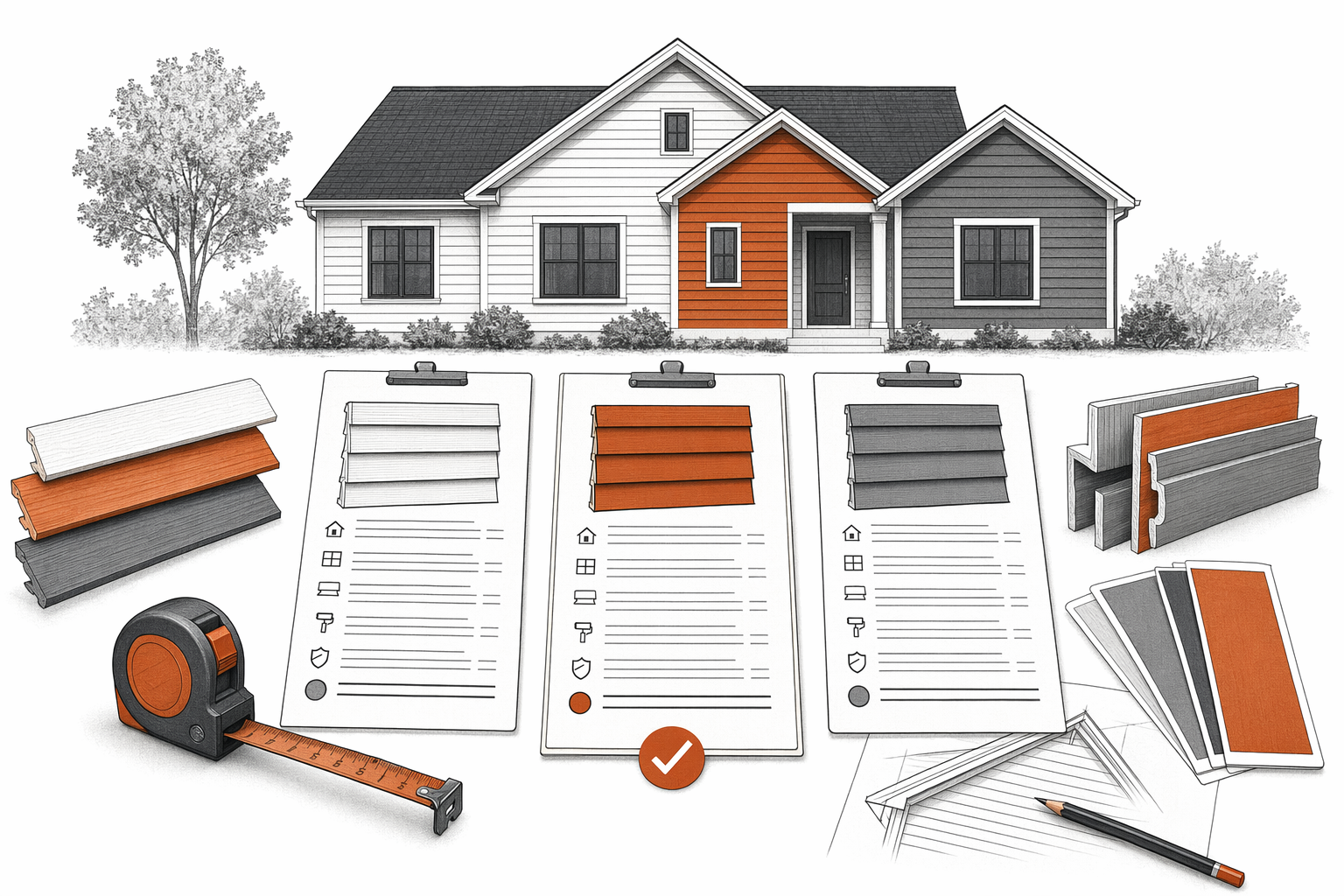
Start here
When you compare siding estimates, try to compare the same job scope from each contractor. One estimate may look cheaper only because it leaves out old siding removal, trim, moisture barrier work, or disposal fees.
SidingLedger is a free matching service that helps homeowners connect with local siding contractors. We do not install siding or give project bids. If you are still gathering options, you can start with free contractor matching and review typical siding costs before you decide.
The short answer
Read each estimate line by line and look for the same key items: siding material, total square footage, labor, tear-off and disposal, trim and accessory work, moisture protection, timeline, payment schedule, warranty details, and exclusions. The best estimate is the one that is clear, complete, and in writing from a licensed, insured, and bonded siding contractor you have verified yourself — not simply the one with the lowest total.
Check the scope of work first
Before you compare prices, make sure each contractor is pricing the same project.
A complete estimate should say what siding material is being installed, where it will go, and what related work is included. If one contractor includes trim, house wrap, flashing, and old siding removal, but another does not, the totals will not be an apples-to-apples comparison.
Look for specific wording instead of vague phrases like "replace siding" or "complete exterior work."
Look closely at price lines and allowances
A siding estimate should break out costs in a way that is easy to follow. Some contractors combine everything into one total. Others list labor and materials separately. Either format can be fine, but you should still be able to see what you are paying for.
Remember: published siding numbers are only typical per-square-foot ranges and estimates, not quotes or guarantees. The real price depends on home size and height, material choice, removal of old siding, site conditions, and your area.
Watch for allowances or unclear notes. An allowance means the final amount may change later. That is not always bad, but it should be explained in plain language.
Review protection, paperwork, and warning signs
A good estimate should help protect both you and the contractor. It should include basic timing, warranty information, and clear payment terms. Get the full price and scope in writing before any deposit.
Always hire contractors who are licensed, insured, and bonded, and verify the license, insurance, and bond yourself. If you want help screening companies, read how to vet a siding contractor.
Be careful with high-pressure sales. Storm-chasers may push you to sign right away, especially after hail or wind damage. Take your time, compare paperwork, and do not sign on the spot just because someone says the price is good for "today only."
What to do next
- Gather at least two or three written estimates.
- Put them side by side and compare scope first, then price.
- Ask each contractor to explain unclear items in simple language.
- Verify license, insurance, and bond yourself.
- Confirm local permit and code requirements are being followed.
If you want help finding contractors to compare, SidingLedger can help you get matched with local siding pros at no cost. You can also use our guides and checklists to stay organized and ask better questions before you sign.
Do not compare siding estimates by total price alone. Compare what each contractor is actually including, and get the full scope and payment terms in writing before any deposit.