Metal siding
Metal siding can give a home a clean, modern look and strong weather protection. For most homes, people choose **steel or aluminum panels** because they are long-lasting and lower-maintenance than some other siding types. Costs are usually higher than basic vinyl, but the real price depends on the size and height of the home, the panel style, trim details, removal of old siding, site conditions, and your area.
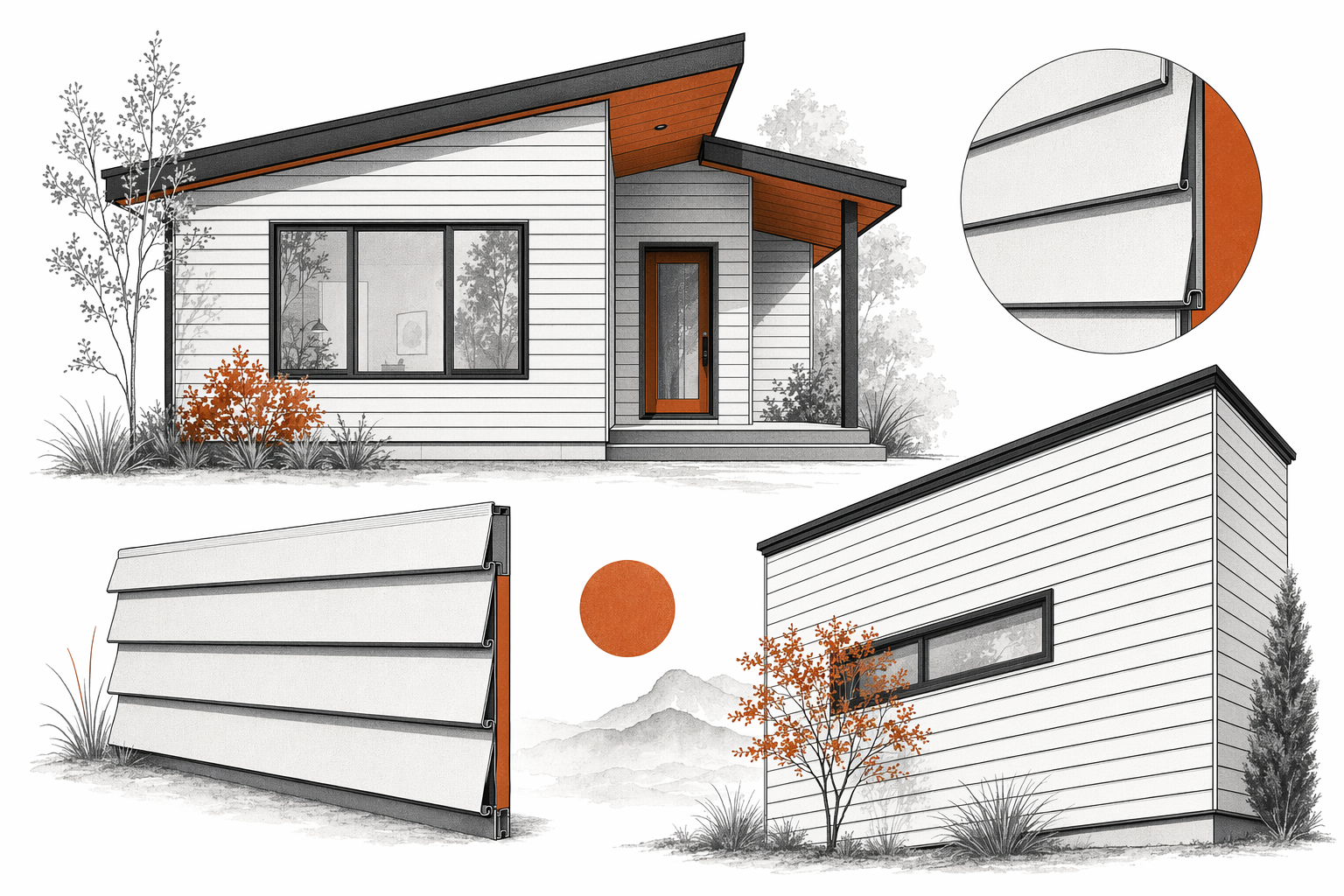
Metal siding overview
Metal siding is usually installed as steel or aluminum panels on the outside of a home. Some styles have a sleek, modern appearance. Others are made to look more traditional.
Steel is usually stronger and may resist impact better, but it can be heavier. Aluminum is lighter and resists rust well, but it may dent more easily. Both can work well when installed correctly by a licensed siding contractor.
If you are still comparing materials, you can review broader siding costs before you decide.
How metal siding works on a house
Metal siding is not just the visible panel. A full siding project may also include trim pieces, moisture management details, and careful fastening so panels can expand and contract with temperature changes.
The contractor usually measures the walls, orders panels and trim, prepares the surface, and installs the siding in a planned sequence. On many homes, the crew will also check flashing around windows, doors, corners, and roof lines.
Because metal can show waves or alignment problems if installed poorly, layout and fastening matter a lot. Clean lines are one reason homeowners choose this material, so workmanship is especially important.
Step-by-step: how the job is usually done
- The contractor measures the home and reviews wall areas, trim, doors, windows, and problem spots.
- They explain the panel style, trim pieces, and whether old siding will be removed first.
- If needed by your area, permits are handled according to local code.
- The crew protects the site and removes old siding if that is part of the job.
- They repair limited surface issues if included in the written scope.
- They install underlayment, flashing, and moisture-control components as needed.
- Metal panels and trim are installed in sequence, with attention to spacing and fastening.
- The crew finishes corners, openings, soffits or fascia if included, and does cleanup.
- You review the final work and keep copies of the written warranty and contract.
Before signing, ask for the full scope in writing so you know what is and is not included.
Typical installed cost range
For many homes, metal siding installation typically runs about $7 to $16 per square foot installed. Some projects with premium panel profiles, complex trim, tall walls, difficult access, or major tear-off work can go higher.
This is an estimate, not a quote or guarantee. Your actual price depends on:
- Home size and number of stories
- Steel vs. aluminum
- Panel profile and design details
- Removal and disposal of old siding
- Trim, soffit, fascia, and flashing work
- Repairs included in the scope
- Labor rates in your area
You can compare more price background on costs or start with free contractor matching to request local estimates from licensed, insured, and bonded siding contractors.
Typical timeline
A straightforward metal siding job on an average home may take about 1 to 2 weeks once materials are ready and work begins. Smaller or simpler homes may move faster. Larger homes, two-story layouts, bad weather, custom panel orders, or old-siding removal can add time.
The schedule usually includes measurement, material ordering, prep work, installation, trim work, and cleanup. If hidden wall damage is found after old siding comes off, the timeline may extend.
Ask the contractor when materials will arrive, how many work days are expected, and what might delay the project.
Pros and cons of metal siding
What to ask a contractor — and verify before you hire
Use these questions when comparing bids, and verify everything yourself before paying a deposit. For a deeper checklist, see how to vet a siding contractor.
Always hire a licensed, insured, and bonded siding contractor where required, and ask for the scope, materials, payment terms, and cleanup in writing. Follow local permit and code rules. Be careful with storm-chasers or anyone who pressures you to sign the same day.
Metal siding usually means steel or aluminum panels installed on the outside of a house. It can last a long time and look modern, but the cost and final result depend a lot on the installer, the trim details, and the condition of your home. Always compare written estimates and verify the contractor's license, insurance, and bond yourself.